

HOW HONEY CAN POWER YOUR RUNS AND BOOST PERFORMANCE
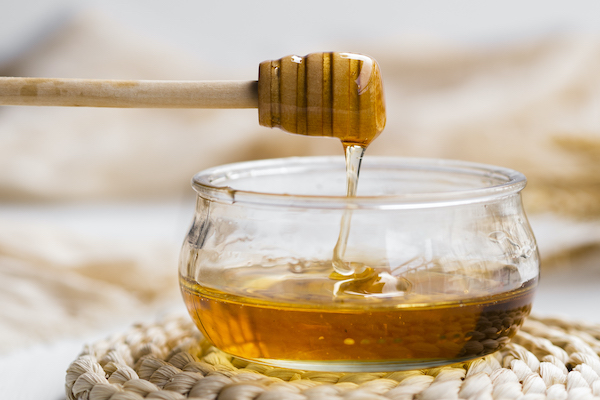
Many runners swear by using honey as a more natural energy source and performance enhancer compared to other sports gels. More than just fueling their long runs, it’s believed that honey also aids in recovery and helps support a strong immune system. Proving to be more than just a sweet treat, there is scientific evidence to back these claims.
09/30/25
Here’s the science behind why honey is beneficial for runners and how to use honey properly for performance.
1. Honey Is A Natural Source of Energy
Long-distance runners need to replenish glycogen stores—the primary fuel source for working muscles. The goal is to replenish that energy quickly to maintain performance, which is why many reach for gels.
However, honey is a natural source of energy, composed primarily of natural sugars, glucose, and fructose. Glucose is absorbed quickly into the bloodstream, immediately giving that energy boost to increase performance. Fructose is a slow-releasing source of energy, which allows runners to keep up the pace during those later miles.
Runners can carry honey sticks, which are easy to store during their long runs. Honey is natural and unprocessed, so it can be easier on the stomach compared to thick gels.
A study from the University of Memphis Exercise and Sports Nutrition Laboratory found that honey performed just as well as commercial sports gels when looking at sustaining blood sugar levels and improving endurance performance.
Many report that honey is easy on the stomach, making it another great reason to reach for it instead of gels.
2. Honey Delays Fatigue for Runners
Runners can benefit from delaying the onset of fatigue when consuming honey. Honey stabilizes blood sugar while preserving glycogen so athletes can run for longer.
A 2024 study published in Frontiers in Physiology found that those who drank honey-sweetened water 90 minutes before performing exercise had reduced delayed-onset muscle soreness (DOMS) compared to those who only consumed a placebo.
Runners feeling less sore can then get back out for another run more quickly than those who may experience fatigue after a big workout.
3. Honey Is Great for Runners’ Recovery
Along with delaying soreness, honey reduces inflammation and oxidative stress thanks to being rich in antioxidants.
Consuming carbohydrates, such as honey, after exercise helps to replenish depleted glycogen stores—which is crucial for muscle repair.
A great recovery tip for runners is to drizzle honey over Greek yogurt or add it to a post-run smoothie or tea. This promotes nutrient absorption to boost recovery.
4. Boosts Immunity and Reduces Inflammation
Training for a big race or going through an intense cross-country season can weaken the immune system, which can make runners more susceptible to colds and illness. Another health benefit of honey is its natural antibacterial and antimicrobial properties that can help support immunity.
It also has anti-inflammatory effects to calm overworked muscles and joints.
Best Ways to Use Honey for Running Performance:
As Pre-Run Fuel:
Take 1–2 tablespoons of honey about 30–45 minutes before your run. This gives your body time to absorb the sugars.
During a Long Run:
When running 60 minutes or longer, consume about 1 tablespoon every 30–45 minutes. Pick up honey packets or mix it into a small bottle of water for easy sipping or honey sticks for runners.
After a Run:
To boost recovery, combine honey with protein-rich foods within 30 minutes after your run to help replenish glycogen and repair muscles.